
For Honor's Sake (part II)
To heal a fractured Honor
This is Part II of this series. You should at least read the preamble of Part I before continuing.
Part I (last time):
Suicide
Ramban on 10C’s
Part II (this time):
Ethics
Skinned Walruses
Rav Hutner’s Honor
More Texts
Conclusion
Next:
3. Ethics
Ethical theory, at least since the 80’s, has commonly been framed in terms of three ethical ‘languages’: Deontology, Utilitarianism, and Virtue Ethics. One way to categorize them is that the first two are ‘rule-based’ systems, meaning there are certain rules that can be applied in order to systematically untangle ‘right’ from ‘wrong’. For example, Deontology would use the Categorical Imperative as a guiding principle, just as Utilitarianism uses some sort of mathematical max/min-imization function. In contrast, Virtue Ethics has no ‘guiding principle’, no ‘one rule to rule them all.’ The way to know the ‘correct’ action is loosely based on answering the question ‘what would the virtuous person do in such a situation’? Now, this might be somewhat culturally dependent - at least when thinking not only about what is right vs wrong but beyond that - of what is honorable or righteous or praiseworthy.

When we try to think of why modern ethics (Deontology, Utilitarianism) diverged1 from the more ancient version of Virtue Ethics (which is based upon Neo-aristotelian principles) one piece of the puzzle should involve rise and fall of Honor.
Practically speaking - and as was shown via honoring one’s parents in Part I - the way Virtue Ethics (which were basically modeled around some form of Virtue until not long ago, and within religious communities to this very day) develop is through and within community. Over time, communities form a Tradition - coupled with a meta-tradition of how to disrupt and reconstruct Tradition - and select individuals who were living, breathing, walking, embodiments of the Tradition. The community would converge around this individual and would emulate his actions. So, instead of asking yourself the abstract ‘what would the virtuous person do in situation X?,’ you imagine your Rabbi/Imam/Elder/Pastor and ask ‘what would he do is situation X?.’
But for this you need honor.
In order for Virtue Ethics to have a modeling ability, you need a society which is made out of individuals who are modeled by their virtue - something an honor society provides. So honor creates hierarchies, at top of which (usually) sits the most virtuous, who all else emulate.
I believe Berger himself hints at this relationship between ethics and honor:
For all, the qualities enjoined by honor provide the link, not only between self and community, but between self and the idealized norms of the community: “Honor considered as the possession by men and women of these qualities is the attempt to relate existence to certain archetypal patterns of behavior.” Conversely, dishonor is a fall from grace in the most comprehensive sense--loss of face in the community, but also loss of self and separation from the basic norms that govern human life.
Honor is critical. It's a critical ingredient for the formation of communities that embody Virtue both as an ideal and as an ethical framework - one that deserves renewed attention in modern moral discourse.
4. Skinned Walruses
So we’ve lost honor and with it a certain type of institution. Wonderful.
Now what?
Berger notes that although we lost honor at the price of dignity - this process wasn't, nor should it be seen as, inevitable. Dignity and honor aren’t mutually exclusive. While dignity is the moral floor we stand on - all humans attain worth and should be valued by their humanity alone - honor should also find its place as an aspirational ceiling which society needs for institutional order - society should bestow more value on humans who have lifted themselves higher:
It may be allowed, though, to speculate that a rediscovery of honor in the future development of modern society is both empirically plausible and morally desirable. Needless to say, this will hardly take the form of a regressive restoration of traditional codes. […] Man’s fundamental constitution is such that, just about inevitably, he will once more construct institutions to provide an ordered reality for himself. A return to institutions will ipso facto be a return to honor. […] The ethical question, of course, is what these institutions will be like. Specifically, the ethical test of any future institutions, and of the codes of honor they will entail, will be whether they succeed in embodying and in stabilizing the discoveries of human dignity that are the principal achievements of modern man.
Some aren't partners to this vision2. John Lennon seems to be just fine with imagining utopian alternatives3. Throwing away honor - and institutions - in the name of dignity and expression of the authentic self, doesn't sound like such a bad deal:
I was the Dreamweaver
But now I’m reborn
I was the walrus4
But now I’m John
Lennon was channeling (probably consciously so, major omission by Genius btw) Cervantes’ Quixote, a forerunner of those who defrocked knights of their honor, and honor as a category itself. Close to the end of the novel - the first of its kind, btw - and before his death Quixote says:
I was mad,
now I am in my senses;
I was Don Quixote of La Mancha,
I am now, as I said, Alonso Quixano the Good.
In the modern world, True Man is man - naked. Man qua man; not an institutionally-ordained value-bestowed knight.
5. Rav Hutner’s Honor
Rav Yitzchak Hutner (1906–1980) is a man hard to pin down. He’s ‘unboxable’ — A great Charedi Rosh Yeshiva? A Phil student at University of Berlin? An adherent of Lithuanian Vilna-Gaon tradition? A Kotzker Chossid deep at heart? An authoritarian? An individualist? For secular studies? Against secular studies? Zionism? Hard to tell, and Rav Hutner didn’t give much hints.
Over the years, I’ve found a bunch of sources which have eased my way into Rav Hutner’s polyphonic-mind-dictated-onto-paper called ‘Pachad Yitzchok’. I’m no expert, but when it makes sense - it’s magic. My Virgil(s)5 to the journey:
Podchad Yitzchak - a podcast devoted (in its current form) to examining individual pieces of Pachad Yitzchok start-to-finish. Do yourself a favor and check it out:
Alon Shalev’s recent PhD on Rav Hutner - starting with his bio but continuing with an attempt at systematizing his thought. Available in English (for the lump-sum of 150$+) & Hebrew (for free). Most of what I write hereon is taken from there. Also recommended, but ya, it’s his PhD, so…
I should also read a couple of papers by Rabbi Yaakov Elman. Can’t recommend, haven’t read.
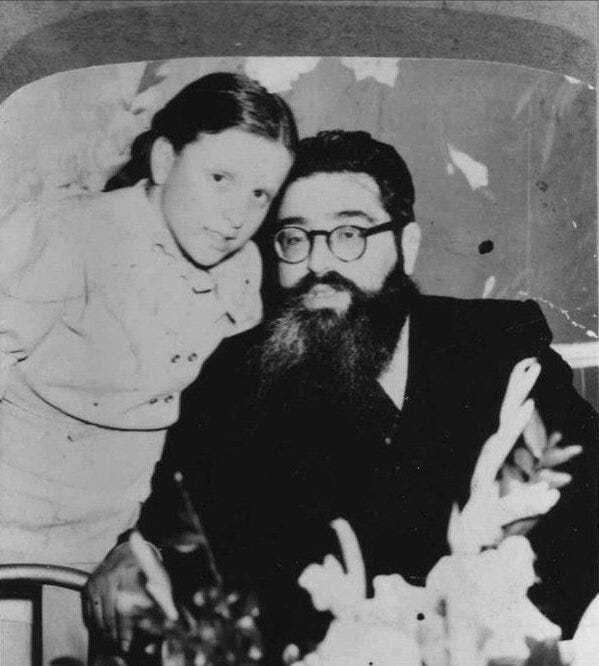
Anyway, for Rav Hutner, honor captures center stage.
To understand why this is true we need to start - as Rav Hutner himself tends to start - from somewhere else. This elsewhere will be the concept of ḥashivut (significance6).
Because Rav Hutner’s an existentialist, his approach is inward-heavy. Thus, ḥashivut isn’t status conferred by society, but an experience of meaning within oneself and the world at large. Shalev7:
If we equate the concept of ḥashivut with meaning, then for Rabbi Hutner, meaning revolves around the question of value or worth. […] Ḥashivut is not a social or legal status but something distinct – the potential for existence to possess value. A person’s value is not inherent or automatic, like dignity; instead, the possibility of possessing ḥashivut lies within the individual but must be actualized through practice. Nonetheless, ḥashivut is not bestowed externally based on one’s position in the social fabric.
Now, to understand why ḥashivut-meaning is so important and how it connects to honor, we must first explain honor.
Cutting to the chase, the definition of kavod (I.e. honor) is explicitly dictionary-defined by Rav Hutner himself (Pachad Yitzchak, Shavu’ot, 8/8):
This upward gaze is called kavod8.
There you have it - looking upward is kavod. Let's unpack.
Rav Hutner gives us a good systematic look at the concept of kavod in the eighth discourse of Pachad Yitzchak on Shavu’ot. He starts with a Mishnah (Pachad Yitzchak, Shavu’ot, 8/3):
“With ten utterances, the world was created […] surely it could have been created with one utterance? But this was so in order to punish the wicked who destroy the world that was created with ten utterances and to give a good reward to the righteous who maintain the world that was created with ten utterances”.
[…] and as Maharal queried: ‘What is the difference between one who steals one dinar or ten dinars?’ This is but a quantitative difference, not a qualitative one. And Maharal replied that indeed there is no difference between stealing one dinar or ten dinars, but there is certainly a difference between ‘one who steals a sela and one who steals the king’s crown.’ What Maharal meant by this is that since the world was created in ten utterances, this is like stealing the king’s crown9.
So there is an apparent qualitative (not quantitative) difference between destroying a world which was created by one utterance than by ten utterances. What is it?
Look at Rav Hutner’s creativity as he reinterprets Maharal's words (Pachad Yitzchak, Shavu’ot, 8/8-9):
The very concept of kavod that exists in our minds is derived from the sense of hierarchy that exists in the world. Since there are differences in status […] those things which have a lower status must elevate their gaze to look at those things that have a higher status. This upward gaze is called kavod. All the differences in status stem from the different levels of creation that came into being […] through ten utterances of creation […] The difference between the wicked in a world created with one utterance and the wicked in a world created with ten utterances is like the difference between one who steals a dinar and one who steals the king’s crown. Although transgression against God’s will applies to a world created with one utterance, it does not constitute rebellion against the king’s kavod. In a world created with one utterance, there is no place for kavod whatsoever. If you remove the differences of levels and status from the world, you necessarily deprive it of any sense of ḥashivut. Without a sense of ḥashivut, there is no place for kavod […] the entire world depends on this matter of kavod, for all was created for His honor. […] Therefore, the wicked person is one who transgresses against the crown of the King of Honor [melekh hakkavod], and in doing so, causes the destruction of the world that exists by the secret of kavod10.
Rav Hutner believes that by being “created in ten utterances” the world was infused with different levels of status which created the very sense of hierarchies which we all have come to know and love. The existence of hierarchies forces the lower strata to ‘gaze up’ and recognize the significance of the higher strata: “This upward gaze is called kavod.” So ḥashivut-significance is a prerequisite for kavod-honor. Recognizing and bestowing kavod is what extracts the world from a 2D flatland of all-eqaul dignity to a 3D sphere of hierarchical significance. It is also a recognition that things have value.
To recap: Ḥashivut is an experience, an experience of meaning. It is also a recognition that things in the world have value. We must appreciate what has value and doesn’t accordingly. In the flatland of dignity there is no ḥashivut. Only where there is a sense of significance, which is derived of (institutional) hierarchies can there be both kavod and ḥashivut.
The world's purpose rests on our understanding the significance of creation & humanity - and of ourselves, all of which stem from Gd11. Therefore, the importance of re-injecting our dignity-soaked (post-woke?) society with honor is critical12. It's critical not only that it should be ‘out there’, but because the value it creates within each of us is ‘in here’. For many, it had such a strong value - they (Galois etc.) died for it.
6. More Texts
Understanding the place Honor held in the pre-modern era and getting a general understanding of the past, helps, well, in understanding the past.
Here's an oft-quoted Talmud passage (:ברכות, מג etc.):
וְאָמַר רַב זוּטְרָא בַּר טוֹבִיָּה אָמַר רַב, וְאָמְרִי לַהּ אָמַר רַב חָנָא בַּר בִּיזְנָא אָמַר רַבִּי שִׁמְעוֹן חֲסִידָא, וְאָמְרִי לַהּ אָמַר רַבִּי יוֹחָנָן מִשּׁוּם רַבִּי שִׁמְעוֹן בֶּן יוֹחַי: נוֹחַ לוֹ לְאָדָם שֶׁיַּפִּיל עַצְמוֹ לְתוֹךְ כִּבְשַׁן הָאֵשׁ וְאַל יַלְבִּין פְּנֵי חֲבֵרוֹ בָּרַבִּים. מְנָלַן? — מִתָּמָר, שֶׁנֶּאֱמַר: ״הִיא מוּצֵאת וְגוֹ׳״13.
Until not very long ago14 the only interpretation I had was that the text was semi-allegorical/fantastical to prove a point: Embarrassing someone is really bad, like - for real.
But some15 commentaries take the passage literally (:תוס’ סוטה, י):
נוח לו לאדם שיפיל את עצמו לתוך כבשן האש - כדאמר בפ’ הזהב (ב”מ דף נח:) כל היורדין לגיהנם עולין חוץ משלשה וחד מינייהו המלבין פני חבירו ברבים ואומר נמי (שם נט.) נוח לו לאדם שיבעול ספק אשת איש ואל ילבין פני חבירו ברבים מנלן מדוד ונראה האי דלא חשיב ליה (פסחים דף כה.) בהדי ג’ עבירות שאין עומדים בפני פקוח נפש עבודת כוכבים וגילוי עריות ושפיכות דמים משום דעבירת הלבנת פנים אינה מפורשת בתורה ולא נקט אלא עבירות המפורשות.
Seemingly, Tosafot assume that given the choice between either shaming another or sacrificing oneself - you have no right to shame another.
Here's Reb Shlomo Kluger, vualting ten steps forward (’חכמת שלמה, חו”מ, תכ”ו, ס”ק א):
נראה לפענ”ד לכאורה דין חדש דהיינו דוקא אם אינו דרך בזיון להמציל אז מחיוב להצילו בגופו אבל אם הוי הצלה דרך בזיון להמציל אם א”י לשכור לאחרים להצילו אז אינו מחיוב להצילו בגופו אם הוי לו בזיון או טרחא יתרה דהוא זקן או כדומה. והטעם כיון דילפינן הצלת גופו מוהשבותו לו וכו’ […] א”כ כיון דמטעם השבת אבדה הוא כמו באבדה קיי”ל והתעלמת פעמים שאתה מתעלם כמו שדרשו חז”ל כגון זקן ואינו לפ”כ א”כ ה”נ מהשבת גופו פטור כה”ג […] וראי’ ברורה לזה ממה דאמרינן בסנהדרין דע”ה ע”א דפריך אלא למ”ד פנוי’ היתה מאי כולי האי ומשני ר”פ משום פגם משפחה וכו’ וקשה אטו משום פגם משפחה ימות זה והלא המשפחה עצמם מחויבים להצילו בגופם ובממונם א”ו דהיכי דאיכא פגם פטורין דילפינן מפסוק והתעלמת שפעמי’ אתה מתעלם ואין בזה משום והשבותו או משום לא תעמוד על דם רעך וכו’ כן נלפענ”ד נכון וברור ודוק היטב […] וצ”ע טובא כעת ודו”ק16:
Now, to anyone with a modern understanding of honor, this kind of ruling is vurging on the absurd - which is exaclty what Rav Eliashev thought:
וזייבלד הראני מדברי הגרי"ש (בקובץ ת' ח"א יו"ד קכ"ד) שהשיג על דברי ר"ש קלוגר אלו שעקרון הלאו הוא לא תעמוד והשיג על עצם דבריו שאטו בשופטני עסקינן שלכבוד לא היה מציל את ביתו. וזו לכא' תמיהה עצומה על דבריו, ואולי אכן יש דבר כזה כראייתו מפגם משפחה וכדו' וכן מצינו בפילגש בגבעה שלכא' לכבודו (מצודות שם) היה מוכן להוציא את בנותיו וכמבואר 'אותי דימו להרוג' אזי היה זה ע"מ להרוג. וכן בלוט.
Point being, that although maybe for Rav Eliashiv honor wasn’t vital, for Reb Shlomo Kluger it definitly was. This also explains the rulings regarding honoring one’s parent of rebbi which are - as some might say - ‘uncouth’ in the year 2026 of our lord17.
Rav Hutner has a beautiful interpertation to this passage as well18 - you can see it discussed in full in Ch. 5 of Shalev’s PhD.
7. Conclusion
So where do we go from here? Say I want to incorporate honor into my life - where do I start?
I’m honestly not sure. I could go to live with Bedouins in the South for a bit - but I’m lazy.
Here's what I do 1) read about it, and 2) try to experience it second-hand:
And some more honor (the first was better honestly):
Any other ideas?
I wish I had an islamic scholar or just some ‘cousin’ who could describe how this has shifted within the arab commiunity.
McIntyre of course, in his seminal After Virtue, tries to give a much more detailed answer to this. I believe he mentions some form of this argument alongside the main narrative in the beginning of the second half of the book, but couldn't locate.
As the internationale would command us:
This is the eruption of the end
Of the past let us wipe the slate clean
I’m shouldn’t be dismissive of such approaches - I am writing this from Jerusalem's central bus station which is in existence arguably directly downstream from a bunch of rando-utopianites coming to carve literal dreams into reality. Herzl wasn't that far from Lennon on the Venn diagram.
‘The walrus’ being John when he was still part of the band.
If you got any other - please recommend.
The opposite of which is leitzanut (cynicism). See Pachad Yitzchak, Purim, 1/4-6.
Throughout, I will be quoting mostly from: Shalev, A. (Eds.). (2025). “Chapter 5 Existence, Significance, and Singularity – the Core of Pachad Yitzchak”. In Rabbi Yitzchak Hutner’s Theology of Meaning. Leiden, The Netherlands: Brill.
Original (פחד יצחק, שבועות, ח/ח):
הרמת עיניים זו, קרויה היא כבוד.
Original (פחד יצחק, שבועות, ח/ג):
בעשרה מאמרות נברא העולם [...] והלא במאמראחדיכול להבראות? אלא להפרע מן הרשעים שמאבדין את העולם שנברא בעשרה מאמרות, וליתן שכר טוב לצדיקים שמקיימין את העולם שנברא בעשרה מאמרות. [...] וכמו שתמה על זה מהר"ל "דמה חילוק יש בין גונב דינר אחד לגונב עשרה דינרים", סוף סוף החילוק הוא בכמות ולא באיכות. ובתשובה על זה כתב המהר"ל, דנהי דאין הפרש בין גונב דינר אחד לגונב עשרה דינרים, אבל בודאי דיש הפרש בין "גונב סלע לגונב כתר המלך". רצונו של המהר"ל בזה דמכיון דהעולם נברא בעשרה מאמרות, לכן הרי זה גונב כתר המלך
Original (פחד יצחק, שבועות, ח/ח):
ועלינו לדעת כי כל עצמו של המושג "כבוד" הנמצא בהכרתנו נובע הוא מתוך הרגשת חילוקי המדרגות הנמצאות בעולם. כי מכיון שישנן מדרגות רמות זו למעלה מזו, ומדרגות נמוכות זו למטה מזו, המדרגה הנמוכה צריכה היא להרים עיני'[ה] בכדי להסתכל בזו למעלה הימנה. הרמת עינים זו קרוי'[ה] היא כבוד. מקורם של כל חילוקי המדרגות הנמצאים בעולם הוא בחילוקי הדרגות בהתהוות העולמות, אשר נאצלו נבראו נוצרו ונעשו על ידי עשרה המאמרות של מעשה בראשית [...] החילוק בין הרשע בעולם הנברא במאמר אחד, ובין הרשע בעולם הנברא בעשרה מאמרות, הוא ההבדל "בין גונב דינר אחד וגונב כתר המלך". מפני שאף על פי שגם בעולם הנברא במאמר אחד ישנה אפשרות של עבירה על רצון השם, מכל מקום מרידה בכבוד מלכות אין כאן. שם בעולם הנברא במאמר אחד אין מקום לענין הכבוד כלל ועיקר. שאם אתה נוטל מן העולם את חילוק המדרגות, הרי אתה נוטל מתוכו בהכרח את ההרגשה בענין החשיבות כל עיקר. ובודאי שבלי הרגשת חשיבות אין מקום לכבוד [...] מכיון שקיום העולם תלוי הוא דוקא בענין הכבוד, שהכל ברא לכבודו [...] נעשה הוא הרשע לפוגע בכתרו של מלך הכבוד, ומילא הוא מאבד את העולם אשר קיומו הוא בסוד הכבוד.
The importance of ‘increasing kavod’ in the world has many different manifestations s.a. reorienting our actions towards Gd. See section 8 of ch. 4 in Shalev’s PhD for much more context.
Rav Hutner wasn't the only thinker to decry the loss of honor. Here's Rav Kook in the beginning of מאמר הדור:
הצרה האיומה הרוחנית והחמרית יחד, אוי! החשיכה את עולמנו, נטלה את זיו הכבוד מחיינו, נחשכו עינינו מלהכיר את כבוד עצמנו, וירדנו עד לעמק השפל של בזויי עם, והחרפות הגדופים והקללות, וכל תכונה זועמת וקצופה הוא לחמם התמידי. לוא היה באמת זה ערכנו, להיות חדלי אישים, וחשוכי כל כבוד, אז בודאי לא היה דוה על־זה לבנו, דאבון הלב ימצא רק כששרים הולכים כעבדים על הארץ, כשמכובדים ויקרים מתבזים ומזדלזלים עד שהם עצמם שוכחים את כבודם ויקרם. "ראה ד' והביטה כי הייתי זוללה".
Translation:
And Rav Zutra bar Toviya said that Rav said; and some say Rav Ḥana bar Bizna said that Rabbi Shimon Ḥasida said; and some say Rabbi Yoḥanan said in the name of Rabbi Shimon ben Yoḥai: It is preferable, from an ethical perspective, for one to throw himself into a fiery furnace rather than humiliate another in public. From where do we derive this? From Tamar, the daughter-in-law of Judah, when she was taken out to be burned, as it is stated: “As she was brought forth, she sent to her father-in-law, saying I am pregnant by the man to whom these belong, and she said examine these, to whom does this seal, cord and staff belong?” (Genesis 38:25). Despite her dire situation, she did not reveal that she was pregnant with Judah’s child; rather, she left the decision to him, to avoid humiliating him in public.
My initial thoughts of writing something around the concept of honor and its implications were born by a brief comment on this passage one Shabbos afternoon. I was sitting on my bed reading Taylor’s ‘A Secular Age’, when my sweet cousin - a 7yo - asked me to tell him what I was reading. I tried to convince him that it's not his type, but he was persistent. So I sat him down next to me on the bed and explained to him the entire chapter (which was honor-related, by chance) as I would to an educated adult. After a few minutes of listening intently, he commented: isn’t that what the Talmud says…
Children are way more interesting than you think - if you allow yourself to hear.
ועיין בכלי חמדה בפרשת השבת אבדה (תצא כב א) באותיות א’, ב’, ה’ וו’ שנחלק עליו, ומיישב את ראייתו הנזכרת.
See Shulchan Aruch ( יו”ד, ס’ ש”מ, ס’ ב) etc:
אֵיזֶה מוֹרָא, לֹא יַעֲמֹד בִּמְקוֹמוֹ הַמְיֻחָד לוֹ לַעֲמֹד שָׁם בְּסוֹד זְקֵנִים עִם חֲבֵרָיו, אוֹ מָקוֹם הַמְיֻחָד לוֹ לְהִתְפַּלֵּל; וְלֹא יֵשֵׁב בְּמָקוֹם הַמְיֻחָד לוֹ לְהָסֵב בְּבֵיתוֹ; וְלֹא סוֹתֵר אֶת דְּבָרָיו וְלֹא מַכְרִיעַ אֶת דְּבָרָיו בְּפָנָיו, אֲפִלּוּ לוֹמַר נִרְאִין דִּבְרֵי אַבָּא; וְלֹא יִקְרָאֶנּוּ בִּשְׁמוֹ, לֹא בְּחַיָּיו וְלֹא בְּמוֹתוֹ, אֶלָּא אוֹמֵר: אַבָּא מָארִי. הָיָה שֵׁם אָבִיו כְּשֵׁם אֲחֵרִים, מְשַׁנֶּה שְׁמָם, אִם הוּא שֵׁם שֶׁהוּא פִּלְאִי, שֶׁאֵין הַכֹּל רְגִילִים לִקְרוֹת בּוֹ.
All in Pachad Yitzchak, Shavu’ot, 8.